
Choosing among Camping Led Emergency Lights is not only about brightness. A useful light must survive damp grass, sudden power cuts, and late-night tent repairs. It should also feel simple when your hands are cold. This guide examines seven practical options for different buyers, from backpackers and family campers to homeowners building an emergency kit.
Outdoor-lighting engineer Dr. Helen Richards offers a useful reminder: “A dependable camp light should be easy to find, easy to charge, and difficult to misuse.” That principle shapes our comparisons. We consider lumen output, battery type, charging methods, runtime, weather resistance, portability, and control design. A bright lamp may impress in a product photo, yet waste power quickly in real conditions. A smaller model may provide softer light and better battery life. There is no perfect choice.
The guide also looks at details people often overlook. Can the lamp hang from a thin tent loop? Does its switch activate inside a crowded backpack? Can it stand steadily on a picnic table? We pay attention to these small moments because they often decide whether a light feels reliable. Still, advertised runtimes are not always realistic. Cold weather, high brightness, and aging batteries can reduce performance. That deserves honest attention. Our recommendations aim to make selection easier, but readers should match each light to their own camping habits, climate, and emergency needs. Test it before departure. That simple step may prevent disappointment after sunset.
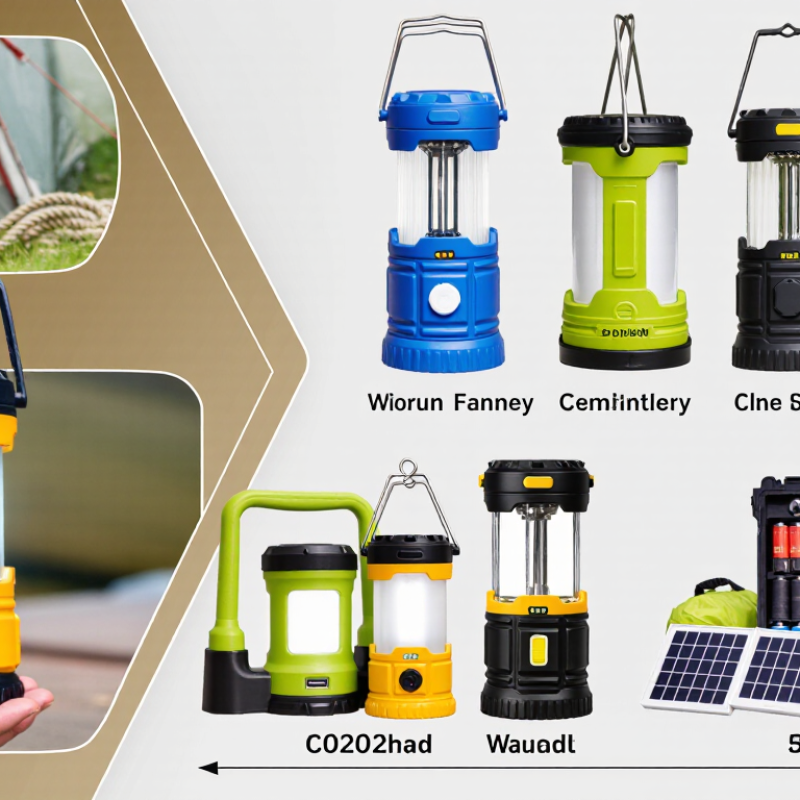
A reliable camping LED emergency light should survive more than a bright product photo. It must deliver steady light, simple controls, and predictable battery life. The U.S. Department of Energy’s Solid-State Lighting R&D Opportunities report notes that advanced LEDs can exceed 200 lumens per watt in laboratory conditions. Real camping lamps usually perform below that level. Heat, optics, battery quality, and charging losses matter.
Look for a stated runtime at several brightness levels, not one impressive number. A useful lamp should provide low light for reading, stronger output for cooking, and an emergency flash mode. ANSI/PLATO FL 1 testing evaluates runtime, beam distance, impact resistance, and water resistance. These measurements help, but they do not reproduce every campsite. Cold nights can shorten battery performance. Wet hands can expose poor switches. I have found that magnetic mounting and a wide base often matter more than maximum brightness.
Check the charging port, battery indicator, and spare-power options carefully. A sealed design helps against rain, yet it may complicate battery replacement. The IEC 60529 IP code gives a clearer water and dust protection language, although users still need to inspect seals and covers. Some advertised runtimes feel optimistic. That deserves skepticism. For dependable use, choose stable illumination, physical durability, and controls you can operate in darkness. A light that is slightly less powerful may prove far more useful beside a windy tent.

Choosing a camping emergency light starts with usable brightness, not a dramatic lumen number.
The U.S. Department of Energy’s 2023 SSL R&D Plan reports laboratory LED efficacy above 200 lumens per watt, but outdoor products sacrifice some efficiency for heat control and durability.
Compare brightness modes, beam spread, and runtime at each setting. A 300-lumen lamp may illuminate a tent comfortably, while a narrow beam helps locate trail markers.
Test the switch with cold, wet fingers. Small controls can become frustrating.
Battery information deserves careful reading. Look for watt-hours, charging time, replaceable cells, and a low-battery indicator.
The Federal Emergency Management Agency recommends maintaining emergency supplies with dependable lighting and spare batteries.
That guidance supports choosing a lamp that remains useful after several nights, not merely one with maximum output. USB charging is convenient, but a hand-crank or solar option may provide backup power during extended outages.
Solar charging can be painfully slow under clouds.
Check water resistance through the IEC 60529 IP rating system, and prefer protected charging ports, stable feet, and impact-resistant housing.
DOE lifecycle guidance commonly places quality LED lifetimes near 25,000 hours, yet battery aging can arrive much sooner.
I would not trust runtime claims without testing them at the brightness you actually use.
7 Best Camping LED Emergency Lights for Every Buyer?
Seven Top Camping LED Emergency Lights for Different Buyer Needs
The best camping light depends on the problem you expect. A compact keychain light suits ultralight hikers. A wide lantern works better for family cooking. A headlamp keeps both hands free during tent setup. For storm preparation, choose a model with emergency flashing and a stable base. Cold-weather campers should inspect battery performance below freezing. Long-stay users need replaceable cells or solar backup. Fast-moving travelers may prefer USB-C charging. These are seven distinct needs, not seven versions of the same lamp.
The U.S. Department of Energy reports that LEDs use at least 75% less energy and last up to 25 times longer than incandescent lighting. That efficiency matters when spare batteries are limited. Still, advertised runtime can feel optimistic. Test brightness at the lowest useful setting, not only the headline maximum. A 300-lumen light may illuminate a tent well, while a narrow beam helps with distant trail markers. Check water resistance, switch design, battery indicators, and whether the diffuser creates harsh shadows. Small details become annoying at 2 a.m.
Tips: Pack one primary light and one separate backup. Test both before leaving. Keep batteries in a sealed pouch. Rechargeable cells reduce waste, but they need a charging plan. Do not rely on solar charging under dense forest cover. Safety guidance from the National Park Service also favors carrying reliable illumination after dark, especially on unfamiliar routes.
7 Best Camping LED Emergency Lights for Every Buyer?
Choosing an emergency light starts with the situation, not the brightest specification. For reading inside a tent, use a warm, dimmable lantern with diffuse light. It reduces glare on fabric walls. For walking, select a focused flashlight with a firm grip and adjustable beam. A headlamp keeps both hands available for cooking or first aid. It can feel excessive until darkness arrives.
For storms or power failures, choose a lantern with a wide beam, stable base, and battery indicator. The U.S. Department of Energy reports that residential LEDs use at least 75% less energy and last up to 25 times longer than incandescent bulbs. That efficiency matters when replacement batteries are limited. FEMA’s emergency-supply guidance also recommends a flashlight and extra batteries, so a rechargeable light should include a backup charging method. A hand-crank feature is useful, but it should not replace stored batteries.
For wet campsites, check the IP rating under IEC 60529. IPX4 handles splashing; stronger ratings suit heavy rain or temporary immersion. Test the switch with cold, wet hands. Small buttons are surprisingly frustrating. Avoid trusting claimed runtime without checking brightness settings and battery temperature. High output often drains cells quickly. I would carry one area lantern, one headlamp, and one compact backup light. It is not perfectly minimal, but redundancy is easier to appreciate after the first dead battery.
| Light Type | Best Use | Typical Brightness | Typical Runtime | Power Source | Weather Protection | Key Advantages | Important Limitations |
|---|---|---|---|---|---|---|---|
| Compact Keychain Light | Emergency backup, finding gear, short walks around camp | 20–150 lumens | 2–24 hours, depending on mode | Coin cell or small rechargeable battery | Often IPX4–IPX7 | Very small, lightweight, inexpensive, and easy to keep in an emergency kit | Limited beam distance and battery capacity; unsuitable for lighting a campsite |
| Rechargeable Camping Lantern | Tent interiors, picnic tables, cooking areas, and power outages | 200–1,000 lumens | 5–200 hours, from high to low mode | Built-in lithium-ion battery; USB charging common | Usually IPX4–IPX6 | Wide, comfortable light distribution and multiple brightness settings | Requires periodic charging; high brightness significantly reduces runtime |
| LED Headlamp | Hiking, setting up camp, repairs, and hands-free emergency work | 100–600 lumens | 3–100 hours, depending on output | AAA batteries or rechargeable battery | Commonly IPX4–IPX8 | Keeps both hands free and provides focused illumination where the user looks | Narrower area coverage; head straps and controls may be uncomfortable for some users |
| High-Output Area Light | Large campsites, roadside repairs, storm response, and evacuation areas | 800–3,000 lumens | 2–20 hours, depending on output | Large rechargeable battery or replaceable cells | Often IP54–IP67 | Strong area coverage, stable bases, hanging points, and sometimes USB power output | Heavier and less compact; high-output operation can generate heat and drain batteries quickly |
| Rechargeable Work Light | Vehicle maintenance, shelter repairs, workshops, and task lighting | 300–1,500 lumens | 3–30 hours | Built-in rechargeable battery; USB charging common | Typically IP54–IP65 | Directional beam, magnetic base or stand, adjustable angles, and rugged housing | Less effective for evenly lighting a tent or large group area |
| Solar-Rechargeable Lantern | Long-duration emergencies, remote camping, and low-maintenance backup lighting | 50–500 lumens | 6–100 hours, depending on brightness and charging conditions | Rechargeable battery with integrated solar panel; USB backup often available | Usually IPX4–IPX6 | Can be replenished without mains electricity and is useful for extended outages | Solar charging is slow and weather-dependent; panel size limits charging speed |
| Hand-Crank Emergency Light | Power outages, disaster kits, and situations where batteries may be unavailable | 20–150 lumens | Typically 30 minutes to several hours per charging cycle | Manual generator with rechargeable battery; some models include solar or USB charging | Often IPX3–IPX5 | Operates without disposable batteries, chargers, or a power grid | Low light output and short manual-charge runtime; cranking requires physical effort |
Note: Brightness and runtime figures are typical market ranges for each light category. Actual performance varies with LED mode, battery capacity, temperature, charging conditions, and product design. IP ratings indicate protection against solids and water; confirm the exact rating before use in severe weather.
A dependable camping LED emergency light should do more than shine brightly. It must remain stable, simple to operate, and safe around tents or cooking areas. I look for seven practical features: adjustable brightness, a wide beam, weather resistance, a secure handle, a red signal mode, a power indicator, and an emergency charging option. Brightness matters, but excessive glare can reduce night vision.
Check the light before every trip. Inspect the housing for cracks, loose switches, or a swollen battery compartment. Wipe dust from the lens and charging contacts with a dry cloth. Never place the lamp beside fuel, dry grass, or fabric that can trap heat. Use a stable surface, especially inside a crowded tent. Some models advertise water resistance, but that does not mean they should be submerged.
Battery care controls long-term reliability. Rechargeable batteries should be stored partly charged, usually near half capacity, in a cool, dry place. Avoid leaving them in a hot vehicle. Charge with the recommended cable and stop using the light if it smells unusual or becomes excessively hot. Disposable batteries should be removed during long storage because leakage can damage contacts. I once ignored a faint corrosion mark and lost an otherwise useful lamp. My checklist is not flawless. It now includes a monthly test, a spare battery, and a short nighttime run before longer trips. A light that works at home may still fail outdoors.
Let us help you get started with our superior LED lighting products.
Get all the latest news from BrightLED.
Copyright © Bright LED. All rights reserved.
STAY CONNECTED