Choosing a reliable Bright Led manufacturer requires more than comparing prices or reading polished product pages. Global buyers need evidence of optical performance, thermal control, production consistency, and responsible export practices. This guide introduces ten leading China-based manufacturers for commercial, industrial, architectural, and outdoor lighting projects.
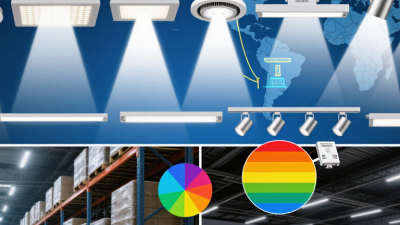
James Brodrick, a recognized solid-state lighting expert and former U.S. Department of Energy technology manager, explained, “LEDs are directional light sources, so they can be more efficient than traditional light sources.” That principle still matters when reviewing beam angles, lumen output, glare control, and real-world energy use. A bright fixture is not automatically an effective fixture.
The companies discussed here are assessed through practical buyer concerns. These include product specialization, factory experience, testing capabilities, customization support, warranty clarity, and international certifications. Details such as aluminum heat sinks, sealed outdoor housings, driver quality, and color consistency can influence years of operation. Small specifications matter.
Still, no ranking is perfect. Supplier strengths may change with new production lines, market conditions, or management decisions. Buyers should verify test reports, samples, installation references, and after-sales terms before signing contracts. One catalog cannot reveal everything.
This overview is designed to support a careful shortlist. It does not replace technical due diligence. Bright Led purchasing should combine measurable performance with direct communication, realistic project requirements, and independent verification. That approach may take more time, but it can prevent costly failures after installation.
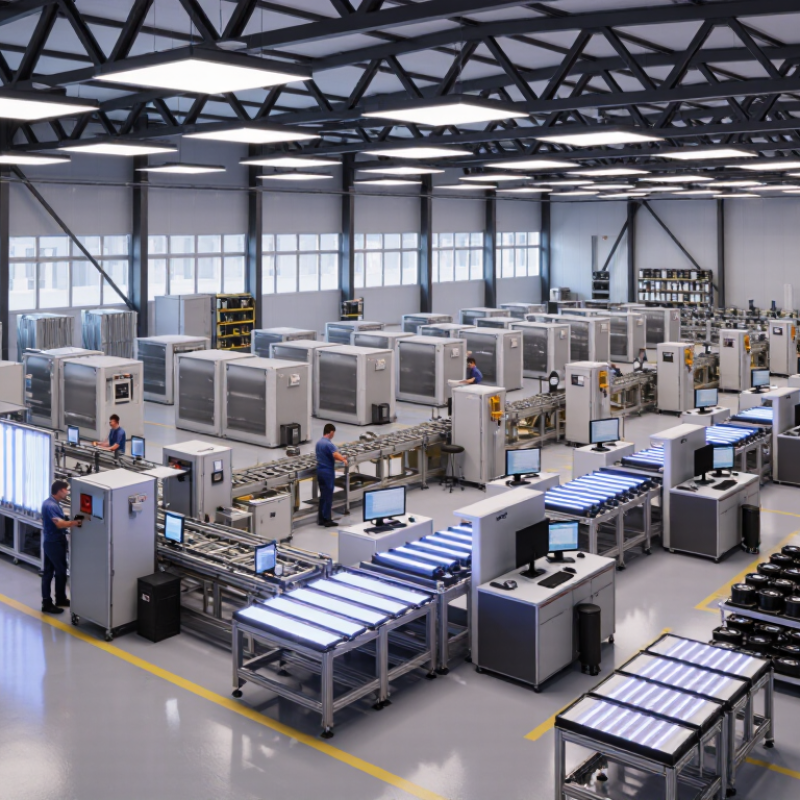
A leading bright LED manufacturer offers more than impressive lumen numbers. It controls brightness, heat, color stability, and long-term performance. Buyers should inspect real test data, not rely on catalog claims. A serious factory can provide LM-80 reports, integrating-sphere results, and thermal testing records. Details matter.
Manufacturing experience appears in small areas. Workers use calibrated instruments during chip, driver, and finished-product inspections. Production lines should show clear batch labels, inspection points, and traceable materials. A dependable supplier also explains failure rates honestly. It should discuss voltage tolerance, humidity resistance, and expected lumen maintenance under actual conditions. Samples should perform consistently after repeated switching and extended operation.
Technical support also separates a capable manufacturer from a basic exporter. Engineers should understand installation distance, ambient temperature, heat dissipation, and local electrical requirements. Clear drawings and responsive troubleshooting reduce costly mistakes. Compliance documents must match the exact product model and destination market. Generic certificates are not enough.
No factory is flawless. A supplier that admits limitations may deserve more trust than one promising perfection. Buyers should request independent testing when project risks are high. They should also compare sample performance with mass-production results. That gap matters. Price remains important, but unstable brightness, delayed replacements, or unclear warranties can cost more than the initial saving. A reliable manufacturer keeps communication practical, records accessible, and quality expectations measurable.
When evaluating China’s bright LED suppliers, buyers should examine measured performance, not advertised wattage. The U.S. Department of Energy’s Solid-State Lighting R&D Opportunities report identifies over 200 lumens per watt as an important research benchmark. Commercial products may deliver less. Ask for independent test reports showing lumens, efficacy, color temperature, and power factor.
Thermal control deserves close attention. During factory audits, inspect aluminum housings, heat sinks, solder joints, and driver protection. A bright lamp with poor heat dissipation can lose output quickly. LM-80 and TM-21 data help assess LED lumen maintenance, while IEC safety testing supports electrical reliability. However, paperwork alone is not enough. Request samples from the same production batch, then operate them for several hundred hours under realistic temperatures.
Energy efficiency also affects long-term purchasing decisions. The International Energy Agency reports that lighting represents about 15% of global electricity consumption. Small efficiency differences can therefore create meaningful savings across warehouses, roads, and industrial facilities. Check flicker, glare, surge protection, and color consistency. A supplier may offer impressive laboratory results but weak after-sales support. Confirm warranty terms, replacement procedures, quality-control records, and traceability before signing. Some criteria remain difficult to compare fairly, especially when test conditions differ. That uncertainty deserves attention.
China’s top 10 bright LED manufacturers differ in design focus, production scale, and export experience. One specializes in high-bay lighting for warehouses. Another develops outdoor floodlights with sealed aluminum housings. A third focuses on stadium systems requiring precise beam control. Other profiles include manufacturers producing streetlights, tunnel lamps, grow lights, industrial panels, emergency fixtures, and custom modules. Their strengths are not identical.
Several factories combine automated assembly with manual inspection. Engineers may test lumen output, color consistency, thermal performance, and driver stability. Reliable suppliers can provide photometric files, sample reports, and clear warranty conditions. Look for testing under recognized standards, such as LM-80, TM-21, CE, or RoHS, when relevant to the project. Documentation matters.
Details reveal practical quality. A thick heat sink, sealed cable gland, and accessible driver can reduce service problems. Some manufacturers offer 100,000-hour claims, but operating temperature and installation conditions can shorten real performance. That claim needs evidence. Buyers should request samples and compare them after continuous operation. A brighter fixture is not always better if it creates glare or wastes energy. Our profiles may also remain imperfect because factory data can change between production batches. Independent verification is still valuable, especially for large projects with strict lighting plans.
This chart presents practical luminous-efficacy benchmarks commonly used by global buyers when evaluating high-brightness LED products. Values are shown in lumens per watt (lm/W); higher values indicate greater light output per unit of electrical power.
The benchmark ranges reflect commonly published performance levels for modern LED applications, including general lighting, street lighting, horticultural lighting, and high-bay systems. Actual performance depends on LED package type, optics, driver efficiency, thermal design, color temperature, and operating conditions.
China Top 10 Bright LED Manufacturers for Global Buyers
The leading Chinese LED manufacturers usually cover bulbs, panels, downlights, floodlights, high bays, street lamps, and linear fixtures. This broad product range supports homes, warehouses, retail stores, and public infrastructure. Buyers should compare wattage, lumen output, beam angle, color temperature, and rated lifetime. A bright lamp is not automatically an efficient lamp.
Technology separates experienced suppliers from simple assemblers. Look for stable SMD or COB packages, aluminum heat sinks, surge protection, flicker control, and tested drivers. Some factories offer dimming, motion sensors, emergency functions, and smart lighting gateways. Ask for LM-80, TM-21, photometric files, and thermal test data. Claimed performance needs evidence. Sometimes, the catalog looks stronger than the test report.
Certifications must match the destination market. Common documents include CE, RoHS, FCC, UL or ETL approvals, IEC test reports, and ISO 9001 quality records. Certification scope matters; one certificate may cover only a specific model. Export experience also deserves careful review. Reliable manufacturers explain packaging tests, minimum order quantities, warranty terms, spare parts, and production lead times. Their market reach may include distributors, project contractors, and OEM customers across Europe, North America, Asia, and the Middle East. Yet, worldwide shipping alone does not prove dependable service. Check sample consistency, factory audit results, response speed, and after-sales records before placing a large order.
| Rank | Anonymized Manufacturer Profile | Main Product Range | Technology and Product Strengths | Commonly Available Compliance and Certification Coverage | Quality and Performance Indicators | Typical Export Market Reach | Primary Applications | Best Fit for Global Buyers |
|---|---|---|---|---|---|---|---|---|
| 1 | Profile A Full-Service LED Supplier |
LED bulbs, tubes, panels, downlights, floodlights, high bays, street lights, and outdoor fixtures. | SMD LED platforms, constant-current drivers, aluminum heat sinks, selectable color temperature, dimming options, and smart-control compatibility. | CE, RoHS, EMC, LVD, ERP, and product-specific safety documentation; UL, ETL, FCC, or UKCA options may be available for selected models. | Photometric files, LM-80 or TM-21 data when applicable, thermal testing, surge protection options, and batch inspection procedures. | Europe, North America, the Middle East, Southeast Asia, Africa, and Latin America. | Commercial buildings, warehouses, retail facilities, roads, public areas, and residential projects. | Importers seeking a broad catalog, private labeling, and consolidated purchasing. |
| 2 | Profile B Commercial Lighting Specialist |
LED panels, troffers, downlights, linear fixtures, office luminaires, and emergency lighting. | Low-glare optical designs, edge-lit and back-lit panels, UGR-focused configurations, flicker-reduced drivers, and modular components. | CE, RoHS, EMC, LVD, ERP, and photobiological safety documentation; North American approvals available for selected product families. | Uniform illumination, color consistency, driver lifetime testing, glare-control options, and project-based sample approval. | Western Europe, Eastern Europe, Australia, the Gulf region, and selected Asian markets. | Offices, schools, hospitals, hotels, shopping centers, and public buildings. | Project contractors and distributors requiring consistent indoor commercial specifications. |
| 3 | Profile C Outdoor LED Lighting Specialist |
Street lights, area lights, floodlights, tunnel lights, garden lights, wall packs, and roadway fixtures. | High-power SMD LEDs, die-cast aluminum housings, IP65 or higher enclosure options, adjustable optics, photocell support, and surge protection. | CE, RoHS, EMC, LVD, and IP testing documentation; ENEC, UL, ETL, or other regional approvals may be specified by model and destination. | IES or LDT photometric files, salt-spray options, wind-load considerations, thermal management, and configurable surge protection. | Europe, North America, the Middle East, Africa, Oceania, and infrastructure markets in Asia. | Roadways, parking areas, ports, industrial sites, sports grounds, campuses, and municipal projects. | Infrastructure buyers that need weather-resistant fixtures and project customization. |
| 4 | Profile D Industrial High-Bay Supplier |
High bays, low bays, warehouse fixtures, explosion-protected variants, canopy lights, and industrial floodlights. | High-efficacy LED modules, finned heat sinks, narrow and wide beam optics, motion-sensor integration, and DALI or 0–10 V dimming options. | CE, RoHS, EMC, LVD, and ERP; hazardous-location or regional safety certification requires model-specific verification. | High lumen output, thermal derating tests, long-duration operation testing, emergency options, and replacement planning support. | North America, Europe, Australia, the Gulf region, and manufacturing markets across Asia. | Factories, logistics centers, warehouses, workshops, distribution hubs, and large retail spaces. | Industrial distributors and facility owners prioritizing energy savings and high mounting heights. |
| 5 | Profile E Architectural LED Manufacturer |
Linear lights, magnetic track systems, recessed downlights, spotlights, wall washers, profile lights, and decorative fixtures. | COB and SMD light sources, precise beam angles, high color-rendering options, trimless installation, tunable white, and RGB or RGBW configurations. | CE, RoHS, EMC, LVD, and photobiological safety documentation; control-system compatibility and regional approvals vary by configuration. | High CRI options, color-temperature consistency, glare-control accessories, custom lengths, and sample-based color approval. | Europe, North America, the Middle East, Southeast Asia, and high-end hospitality markets. | Hotels, restaurants, galleries, boutiques, residences, offices, and interior design projects. | Lighting designers, architects, and buyers requiring customized appearance and optical performance. |
| 6 | Profile F Smart LED Lighting Supplier |
Smart bulbs, connected downlights, smart panels, outdoor fixtures, sensors, gateways, and control accessories. | Wi-Fi, Bluetooth, Zigbee, or proprietary control options; scheduling, occupancy sensing, dimming, color adjustment, and energy monitoring. | CE, RoHS, EMC, RED, FCC, and relevant electrical safety documentation; wireless approvals depend on the target market and radio module. | Firmware update procedures, interoperability testing, app or gateway validation, network security considerations, and remote diagnostics. | Europe, North America, Australia, Southeast Asia, and selected Middle Eastern markets. | Homes, offices, hotels, retail stores, apartments, and energy-management projects. | Brands, system integrators, and distributors developing connected lighting portfolios. |
| 7 | Profile G LED Tube and Retrofit Specialist |
T8 and T5 LED tubes, retrofit lamps, corn bulbs, compact industrial lamps, conversion kits, and replacement drivers. | Single-ended or double-ended tube configurations, internal or external driver options, magnetic-ballast compatibility, and high-efficiency retrofit designs. | CE, RoHS, EMC, LVD, ERP, and recycling-related documentation; UL, DLC, or equivalent market requirements must be confirmed by model. | Lumen maintenance data, flicker testing, ballast compatibility information, electrical safety testing, and installation guidance. | Europe, North America, Latin America, Africa, Southeast Asia, and the Middle East. | Offices, supermarkets, schools, factories, parking garages, and maintenance replacement programs. | Electrical wholesalers and facility managers seeking fast, low-disruption upgrades. |
| 8 | Profile H LED Display and Signage Supplier |
Indoor LED displays, outdoor LED screens, rental panels, fine-pitch modules, advertising boards, and transparent displays. | SMD display packages, front or rear maintenance, high-refresh-rate processing, brightness control, weatherproof cabinets, and modular installation. | CE, RoHS, EMC, FCC, and electrical safety documentation; ingress protection and structural testing are configuration dependent. | Pixel-failure controls, brightness uniformity, refresh-rate specifications, cabinet sealing, calibration procedures, and spare-module planning. | North America, Europe, the Middle East, Africa, Southeast Asia, and Latin America. | Advertising, stadiums, transport hubs, retail, events, control rooms, and public information systems. | System integrators and buyers requiring modular visual-display solutions. |
| 9 | Profile I Residential and Decorative Lighting Supplier |
LED bulbs, filament lamps, candles, globes, decorative pendants, cabinet lights, strip lights, and residential downlights. | Filament-style LED designs, SMD modules, high-CRI options, low-voltage strip systems, dimmable drivers, and decorative glass or aluminum housings. | CE, RoHS, EMC, LVD, ERP, and applicable energy-label documentation; regional socket and safety requirements vary by market. | Color-temperature options, lumen consistency, dimmer compatibility, flicker-control choices, burn-in testing, and packaging inspection. | Europe, North America, Australia, the Middle East, Africa, and Latin America. | Homes, restaurants, hotels, retail interiors, apartments, and decorative renovation projects. | Home-improvement distributors, e-commerce sellers, and hospitality procurement teams. |
| 10 | Profile J OEM and Custom Project Manufacturer |
Custom lamps, bespoke luminaires, street lights, industrial fixtures, LED modules, control gear, and project-specific assemblies. | OEM and ODM engineering, custom PCB layouts, tailored optics, private-label packaging, sensor integration, and application-specific thermal design. | CE, RoHS, EMC, LVD, ERP, and destination-market documentation arranged according to the final product design. | Prototype validation, design-for-manufacturing review, incoming-material inspection, aging tests, final inspection, and traceability options. | Global project markets, including Europe, North America, the Middle East, Africa, Oceania, and Asia. | Private-label programs, municipal projects, industrial retrofits, hospitality developments, and specialty installations. | Established importers needing differentiated products, engineering support, and controlled customization. |
Choosing a Chinese LED partner requires more than comparing unit prices. Global buyers should inspect production capacity, testing procedures, and export experience. A reliable manufacturer can explain chip selection, thermal management, driver quality, and expected lumen maintenance in clear language.
Request recent photometric reports, safety certifications, factory audit records, and sample test results. Check whether the documents match the actual model, not an older product. Ask for a production sample before placing a large order. Measure brightness, color consistency, power consumption, and heat after several hours. Small differences matter.
Visit the factory when possible. Observe storage conditions, soldering processes, aging tests, and final inspections. A polished showroom can still mislead. I have seen attractive samples perform poorly after repeated use. That is why quality records deserve more trust than promises. Discuss warranty terms, replacement procedures, packaging strength, and spare-part support in writing. Confirm lead times during peak seasons, because an excellent product delivered late can still damage a project. Communication is another practical test. Does the supplier answer technical questions directly, or only send sales language?
The best partner may not offer the lowest quotation. It should provide stable quality, traceable materials, realistic delivery plans, and responsive engineering support. Some buyers also overlook regional standards and installation conditions. That mistake can become expensive. Evaluate samples carefully, challenge unclear claims, and leave room for independent testing before approval.
Let us help you get started with our superior LED lighting products.
Get all the latest news from BrightLED.
Copyright © Bright LED. All rights reserved.
STAY CONNECTED