2026 How to Choose the Best Led Flood Lights for Your Needs?
Choosing the right LED flood lights can transform an outdoor space. These lights are versatile, offering both functionality and aesthetic appeal. However, many factors influence a suitable choice.
Consider your specific lighting needs. The brightness, color temperature, and beam angle can significantly impact the effectiveness of LED flood lights. For instance, a high lumen output is essential for large areas, while softer lights might enhance ambiance in smaller settings.
Quality matters. Not all LED flood lights are created equal. Some may claim high efficiency but fall short in durability or performance over time. Conduct thorough research and rely on reputable brands. Quality lights provide consistent illumination and longevity, reducing frequent replacements. Reflect on your choices by evaluating past purchasing experiences or professional reviews for a more informed decision.
Understanding LED Flood Lights: Types and Features
When choosing LED flood lights, understanding their types and features is crucial. There are generally two types: flood lights and outdoor wall lights. Flood lights provide broad illumination, while wall lights are ideal for specific areas. According to a recent industry report, efficiency is key—LED flood lights use up to 75% less energy than traditional halogen lights.
When assessing features, lumens and wattage are essential. A higher lumen output means brighter light, which is vital for safety and visibility. Reports indicate that typical LED flood lights range from 300 to 2,000 lumens. Additionally, consider beam angle and color temperature. A narrow beam is great for focused areas, while a wide beam is suitable for larger spaces.
Tips: Check for IP ratings. This indicates the waterproof and dustproof levels. A rating of IP65 or above ensures durability in harsh weather. Look for lights with adjustable settings. These can help you optimize brightness according to your needs. Reflect on your actual light requirements. Sometimes, you might need less than expected, which can save energy and costs in the long run.
LED Flood Lights: Comparison of Brightness, Wattage, and Efficiency
Determining the Lumens Required for Your Space
When selecting LED flood lights, determining the necessary lumens for your space is crucial. Lumens measure the total visible light emitted by a source. For outdoor areas, you may need between 300 to 1,500 lumens, depending on the application. For a typical backyard, 700-1,200 lumens provide ample brightness. In contrast, automotive or commercial areas can require over 3,000 lumens.
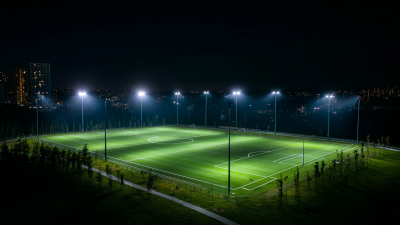
Research indicates that brighter does not always mean better. Over-illumination can create glare and reduce comfort. According to the Illuminating Engineering Society, optimal brightness levels enhance visibility while ensuring safety and energy efficiency. For example, a pathway may only require 100-200 lumens per fixture, while a sports field needs significantly more—often exceeding 10,000 lumens in total.
Consider the specific needs of your area. Factor in the height of the mounting, surrounding obstacles, and the activity taking place. Too much light can wash out details or create unwanted shadows. Ultimately, striking a balance ensures the space is functional and inviting, making the right lumen selection an essential aspect of your lighting design process.
Evaluating Energy Efficiency and Lifespan of LED Flood Lights
When selecting LED flood lights, energy efficiency and lifespan are critical factors. Energy-efficient lights can significantly reduce electricity bills over time. Opt for lights with a high lumen output per watt. This ratio indicates how effectively the lights convert electricity into visible light. Additionally, look for products rated with a high Energy Star certification. These lights are designed to cut energy consumption without sacrificing brightness.
The lifespan of LED flood lights often ranges from 25,000 to 50,000 hours. This longevity makes them a practical choice for outdoor use. However, do not overlook the importance of proper installation. Poor placement and insufficient cooling can lower lifespan and efficiency. Regular maintenance is also necessary. Dust and debris can accumulate, diminishing performance.
It's essential to reflect on your specific needs. Consider the location, purpose, and required brightness of the flood lights. Each environment is unique, and a “one size fits all” approach may not work. Evaluating these factors critically can lead to more informed choices, ultimately enhancing practicality and energy savings in the long run.
Comparing Beam Angles and Coverage Areas for Optimal Light
When choosing LED flood lights, understanding beam angles and coverage areas is crucial. Beam angles determine how light disperses. A narrow beam focuses light on a specific spot, while a wide beam spreads light over a larger area. This choice depends on your needs. For security, a wider beam may be preferable. It covers more ground, making it harder for intruders to hide.
Consider the height of installation as well. Higher lights with narrow beams can effectively focus on a particular spot, such as a driveway or entrance. Conversely, lower installations with wider beams provide a more uniform coverage, ideal for illuminating backyards or large outdoor spaces. Assessing the area’s shape and any obstacles is essential. Trees, fences, or structures can affect light distribution.
Test the lighting in different situations before making a final decision. Adjusting the angle can enhance effectiveness. Sometimes, the ideal placement may not be where you expect. Evaluating light performance is key for achieving the best results. Think about potential light pollution and how it might impact surrounding areas as well. Every environment is unique, and this makes every choice important.
Assessing Budget and Brand Reputation in Your Purchase Decision
When selecting LED flood lights, budget is a critical factor. Understanding your financial limits will help narrow down choices. LED lights can vary greatly in price. Some options might seem cheap but may lack quality and efficiency. Investing in higher-quality lighting can save money over time. A budget isn't just about how much you spend. It's about finding a balance between quality and affordability.
Brand reputation plays a vital role in your decision. Established brands typically offer reliable products backed by warranties. Research customer reviews and ratings for insights. Beware of brands that lack transparency. Newer companies may present innovative designs but might not have the same reliability. It’s important to read multiple reviews. A single positive or negative review can be misleading. Gathering a variety of opinions can help you make a well-informed choice.
Consider how lighting impacts your environment. Think about the purpose of the lights. Are they for security, ambiance, or work? Your needs should inform your purchase. Sometimes, the most popular choice may not be the best for your situation. Take time to reflect on what features matter most. Weighing both budget and brand reputation can lead to a sound purchasing decision.