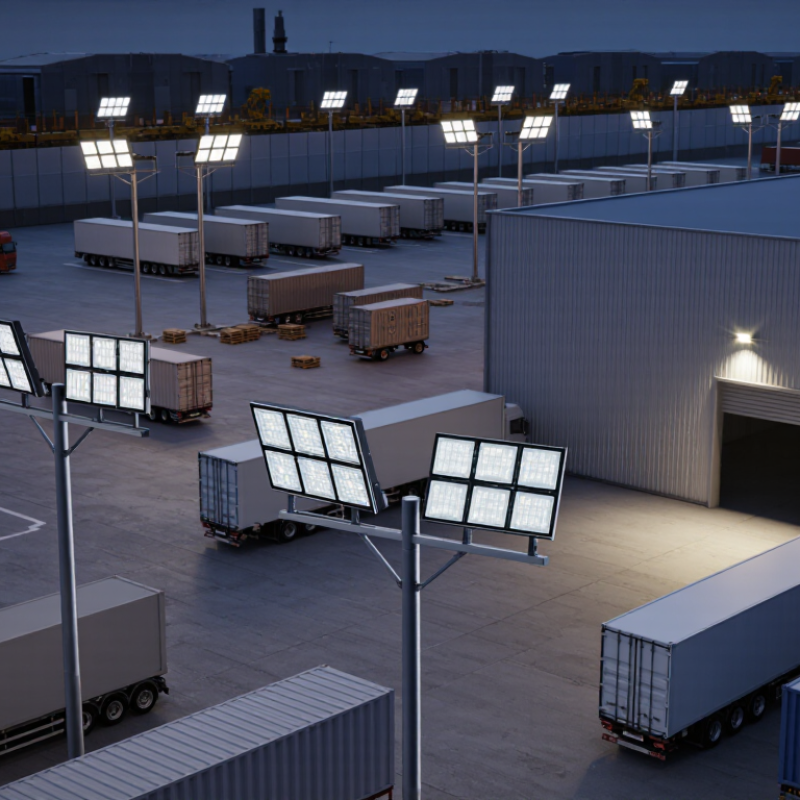
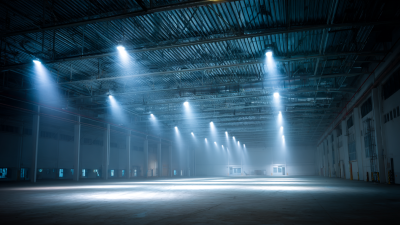
Choosing Industrial Led Flood Lights is not simply a matter of selecting the highest wattage. The right fixture must match the site, mounting height, operating hours, and lighting objective. A loading yard needs broad, uniform coverage. A warehouse entrance may need controlled beams that reduce glare. These differences affect safety, energy use, maintenance, and worker comfort.
Start with the real conditions.
Field experience shows that many lighting problems begin with incomplete site information. Measure the mounting height, target area, ambient temperature, and existing illumination before comparing products. Review the photometric report, not only the lumen number. Check beam angle, color temperature, color rendering, and light distribution. For outdoor locations, examine ingress protection and impact resistance ratings. Thermal design also matters, especially near hot machinery or under direct sunlight. Poor heat control can shorten LED performance and increase replacement costs.
Do not ignore installation details. Confirm voltage compatibility, surge protection, wiring requirements, and mounting hardware with a qualified professional. A dependable supplier should provide clear specifications, test documentation, warranty terms, and responsive technical support. Certifications should be verified for the intended market and application. No fixture wins in every environment. An efficient model may produce uncomfortable glare, while a powerful unit may waste light beyond the work area. Even experienced buyers can misjudge this balance. That is why a small on-site trial often reveals problems that a catalog cannot show. This guide explains how to compare Industrial Led Flood Lights carefully, question attractive claims, and build a practical lighting decision based on measurable conditions.
Start with the task, not the fixture. A loading area needs different lighting from a precision assembly zone. Identify work surfaces, traffic paths, storage heights, and inspection points before comparing flood lights.
Measure twice. Target illuminance should match the activity and applicable workplace guidance. Many general industrial areas require moderate lighting, while detailed inspection demands much higher levels. Use a calibrated light meter at worker height, then map darker corners and shadowed equipment. One reading can mislead.
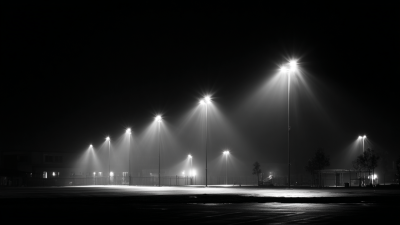
Mounting height, beam angle, and spacing shape the result. Narrow beams can illuminate tall racks but may create harsh bright spots. Wider beams improve uniformity across open floors. Consider glare carefully, especially near driver sightlines and elevated platforms. A suitable color temperature can improve visual clarity, while a high color rendering value helps workers distinguish wires, labels, and surface defects.
Dust, moisture, vibration, and chemical exposure also define the specification. Check suitable ingress and impact protection ratings for the actual environment, not an assumed one. Include operating hours, dimming needs, emergency behavior, and access for maintenance. Energy estimates should include controls and replacement work.
Do not trust a perfect computer layout blindly. Real structures, stored materials, and dirty lenses change performance. A small trial installation can reveal uncomfortable glare or unexpected shadows before full deployment. Document the measurements, assumptions, and areas needing review. Lighting requirements may change after production equipment moves.
How to Choose Industrial LED Flood Lights
Choosing an industrial LED flood light starts with coverage, not advertised wattage. A bright fixture can still leave dark areas beneath a high mounting point. Measure the yard, wall, or loading bay before comparing products. Note the mounting height, target distance, and required light level. A 12-meter installation may need a narrow beam for long reach. A wider beam works better across a shallow work area.
Performance depends on more than lumen output. Check maintained lumens, beam angle, color temperature, and color rendering. For vehicle movement, even illumination matters more than extreme brightness. For inspection tasks, higher color rendering can reveal surface defects clearly. Thermal management also matters. Dust, heat, and restricted airflow can reduce output over time. An IP-rated enclosure helps, but it does not excuse poor installation. Use photometric data when available, then compare the actual coverage pattern.
I once evaluated a flood light that looked powerful on paper. Its center beam was intense, but the edges were noticeably dim. That result forced a rethink of simple lumen comparisons. Photometric software or an on-site trial can expose these gaps. Measure light at several points, including corners and walking routes. Watch for glare, flicker, and harsh shadows. A slightly lower-output fixture may perform better when several units overlap evenly. I would also leave room for uncertainty, because dust buildup and aging rarely match laboratory conditions.
Choosing an industrial LED flood light starts with the beam angle, not the wattage.
A narrow 15–30 degree beam suits tall poles, loading bays, and focused security zones. It pushes light farther with less spill. A 60–120 degree beam works better under low ceilings or across wide yards. In one 12-meter loading area, a narrow beam created bright circles and dark gaps. Wider optics produced more even visibility.
Color temperature also affects practical work.
Neutral white light around 4000K often balances clarity and comfort. It helps workers distinguish labels, tools, and surface changes without feeling harsh. Cooler light near 5000–6500K can improve visual sharpness outdoors, but it may increase glare on wet metal. Warm light below 3500K feels softer, though it can weaken contrast. I once selected a cool tone for a dusty workshop. The space looked bright, yet reflective surfaces became tiring after several hours.
Brightness should be measured in lumens and verified at the working surface in lux.
Do not judge performance by wattage alone. A high-lumen fixture with poor optics can waste light above the target. Check mounting height, surface color, shadows, and nearby reflective walls. For a busy work area, excessive brightness may cause discomfort instead of safer movement. A dimmer option can sometimes perform better when spaced correctly. Field testing remains valuable. Place a temporary light, inspect dark corners, and measure again after rain or dust buildup. Real conditions often challenge the original calculation.
Choosing industrial LED flood lights starts with the installation environment, not the wattage. A practical site inspection should check dust, rain, vibration, corrosive chemicals, and operating temperature. IEC 60529 defines IP ratings for enclosure protection. IP65 resists dust and water jets, while IP66 provides stronger water-jet protection. However, an IP rating does not prove impact resistance. For exposed loading docks, review the IK impact rating and housing material.
Safety also depends on electrical conditions. Confirm the fixture’s voltage range, grounding method, surge protection, and wiring temperature limits. The U.S. Department of Energy reports that LED lighting can exceed 100 lumens per watt in many commercial products, but efficiency alone is not enough. A poorly ventilated fixture may lose output as heat builds around its driver. Small detail, large consequence. Leave clearance around the housing and avoid mounting it beside hot exhaust equipment.
Installation angle matters too. A narrow beam can create harsh glare across a work platform. A wider beam may waste light beyond the target area. The Illuminating Engineering Society recommends evaluating illuminance, uniformity, and glare together. In practice, measure light at floor level after installation, not only from a product sheet. Some projects skip this step. That is a weakness worth correcting. The IEA’s Energy Efficiency 2023 report estimates lighting uses about 15% of global electricity, making careful controls and maintenance economically important. Use photocells or scheduling only when their location remains accessible for testing.
| Evaluation Dimension | Recommended Selection Criteria | Why It Matters in Industrial Applications | What to Verify Before Purchase |
|---|---|---|---|
| Ingress Protection |
Target: IP65 or higher IP65 protects against dust ingress and water jets. IP66 provides protection against more powerful water jets. |
Industrial sites may expose luminaires to dust, rain, wash-down procedures, airborne particles, and moisture. A suitable IP rating helps reduce contamination and moisture-related failures. | Confirm that the IP rating applies to the complete installed luminaire, not only to a housing component. Consider IP66 for exposed outdoor or wash-down locations. |
| Impact Resistance |
Target: IK08 to IK10 IK08 withstands an impact energy of 5 joules; IK10 withstands 20 joules under the IEC 62262 classification system. |
Higher impact resistance is useful in loading areas, workshops, sports facilities, warehouses, and locations where tools, equipment, or debris may strike the fixture. | Select the rating according to the risk of mechanical impact. Verify that the test classification is documented for the complete enclosure and lens assembly. |
| Operating Temperature | Choose a published operating range that covers the site conditions, commonly around -30°C to +50°C for general industrial use. | Excessive heat can shorten LED and driver life, while low temperatures can affect starting performance, seals, and cable flexibility. | Compare the luminaire’s rated ambient temperature with the actual minimum and maximum site temperatures. Account for heat buildup under roofs or inside enclosures. |
| Surge Protection | Prefer a fixture with documented surge protection, such as 4 kV or 6 kV minimum, with higher protection where lightning or switching surges are common. | Long outdoor cable runs, utility switching, and lightning activity can damage LED drivers even when the luminaire is otherwise well sealed. | Check whether the stated surge value is line-to-line, line-to-earth, or both. Review the electrical design for additional upstream surge protective devices. |
| Electrical Safety | Use equipment tested to applicable electrical safety standards, with the correct voltage, frequency, grounding, and protection class for the installation. | Correct electrical compatibility reduces the risk of shock, overheating, nuisance tripping, premature driver failure, and non-compliance with local regulations. | Verify input voltage, frequency, power factor, total harmonic distortion, grounding requirements, certifications, and compatibility with the site protection system. |
| Photometric Performance | Select lumen output, beam angle, and mounting height based on the required illuminance and uniformity rather than wattage alone. | A high-lumen fixture can still produce poor visibility if the beam pattern creates excessive glare, dark zones, or uneven illumination. | Review a photometric file or lighting calculation. Check maintained illuminance, uniformity, glare control, and the effect of mounting height and spacing. |
| Color Quality | A correlated color temperature of 4000K–5000K is commonly suitable for industrial work areas. Select CRI 70 or higher for general industrial visibility. | Neutral-to-cool white light can support contrast and visual task performance, while adequate color rendering helps workers distinguish equipment, markings, and warning colors. | Match color temperature and CRI to the work task, surrounding lighting, safety requirements, and any restrictions on blue-rich light or glare. |
| Thermal Management | Prefer a substantial heat sink, unobstructed airflow, and a driver designed for the specified ambient temperature. | LED efficacy, lifetime, and driver reliability are strongly influenced by junction and housing temperature. Poor heat dissipation accelerates lumen depreciation. | Do not cover ventilation surfaces or install the fixture where hot air is trapped. Review the manufacturer’s lifetime data and the ambient-temperature conditions used for testing. |
| Mounting and Structural Load | Confirm that brackets, bolts, poles, walls, and support structures can carry the luminaire’s weight and wind load. | Outdoor flood lights experience wind forces and vibration. An unsuitable mounting system can cause misalignment, loosening, structural damage, or falling equipment. | Check fixture weight, wind-area data, mounting-hole dimensions, allowable tilt range, fastener material, and the structural capacity of the mounting surface. |
| Installation Environment | Classify the location as indoor, outdoor, wet, dusty, corrosive, hazardous, high-vibration, or high-temperature before selecting the fixture. | Chemical vapors, salt air, combustible dust, vibration, and wash-down conditions can require special enclosure materials, coatings, wiring methods, or certifications. | For hazardous locations, use only equipment approved for the specific hazardous-area classification. Verify chemical compatibility and corrosion resistance for the site. |
| Glare and Light Spill | Use appropriate optics, shielding, aiming, and mounting height to limit glare and unwanted illumination outside the target area. | Excessive glare can reduce visual comfort and visibility, while light spill may affect nearby roads, residences, neighboring properties, or sensitive operations. | Review the beam distribution and aiming angle. Consider visors, shields, asymmetric optics, dimming, and controls where light trespass or glare is a concern. |
| Controls and Dimming | Consider photocells, occupancy sensors, time scheduling, or 0–10 V/DALI-compatible dimming when operating patterns justify controls. | Controls can reduce energy consumption and operating hours, especially in warehouses, yards, parking areas, and facilities with variable occupancy. | Confirm control-system compatibility, minimum dimming level, standby power, sensor operating temperature, commissioning requirements, and fail-safe behavior. |
| Maintenance and Serviceability | Choose sealed, corrosion-resistant construction with accessible connection points and replaceable or serviceable drivers where practical. | Reduced maintenance access is valuable in high-bay, pole-mounted, and remote installations where lifts, shutdowns, or specialized labor are required. | Review cleaning requirements, spare-part availability, driver replacement procedures, warranty conditions, and the expected lumen-maintenance profile. |
| Installation Wiring | Use cable, glands, conduit, junction boxes, and disconnects that match the environment, voltage, temperature, and local electrical code. | Correct wiring practices help preserve the enclosure rating and prevent water entry, cable damage, loose connections, and unsafe servicing conditions. | Keep cable entries sealed, use strain relief, provide grounding where required, and install an accessible disconnecting means for maintenance. |
| Documentation and Compliance | Require complete technical documentation, including electrical data, photometric files, installation instructions, test reports, and applicable conformity information. | Accurate documentation supports design verification, inspections, maintenance planning, energy calculations, and compliance with project specifications. | Compare the product data with the actual project requirements. Confirm that ratings, test methods, and certifications are relevant to the intended country and application. |
Industrial LED flood lights should be judged by operating cost, not purchase price alone. Check lumens, power draw, and efficacy in lumens per watt. A fixture producing 30,000 lumens at 250 watts may waste more energy than expected. Review the lighting layout, too. A powerful light can create dark corners and excessive glare. In my experience, measured lux levels reveal problems that product sheets often hide.
Controls can reduce unnecessary consumption. Choose photocells, motion sensors, or scheduled dimming when site conditions allow. Confirm that controls work with existing wiring and harsh temperatures. Maintenance also affects the real budget. Look for sealed housings, corrosion-resistant finishes, accessible components, and clear replacement procedures. Dust, vibration, and moisture can shorten service life. I once focused too heavily on rated lifespan. Actual results depended more on cleaning frequency and installation quality.
Tips: Compare five-year costs, including energy, labor, controls, and replacements. Ask for test reports and photometric data. Check the warranty terms carefully. Keep spare units available for critical areas. Do not assume the highest lumen output is the best choice. A slightly less powerful fixture may provide better uniformity and lower glare. Recheck the design after installation. Real conditions can differ from calculations. That step is easy to skip.
Let us help you get started with our superior LED lighting products.
Get all the latest news from BrightLED.
Copyright © Bright LED. All rights reserved.
STAY CONNECTED